

The first-phone question usually starts with pressure: classmates have phones, sports schedules move through group chats, and parents want a reliable way to reach their child. The harder question is what kind of phone fits this season of independence.
Research does not point to one perfect age or one perfect device. Pew found that most U.S. teens have access to smartphones, but also that phones can bring both connection and conflict. The American Academy of Pediatrics recommends family-specific media rules that evolve as kids mature. The Surgeon General's advisory urges families to treat social media risk with care while acknowledging the evidence is complex.
So the goal is not to win a delay-versus-smartphone argument. The goal is to make the first phone match your teen's real needs, your family values, and the amount of management you can calmly maintain.
Signs your teen may be ready
A teen may be ready for a first phone when the need is practical and the plan is specific. Before choosing a device, work through these checks:
- They need reliable calling and texting for rides, school, sports, work, or split-household logistics.
- They can keep track of a device, charge it, and tell you quickly if it is lost.
- Your family has talked through when the phone stays away: sleep, homework, meals, worship, practice, and face-to-face time.
- You know which apps are truly needed on day one, not just which apps friends already have.
- You are comfortable revisiting the plan as your teen matures instead of treating the first setup as permanent.
If several of those feel unresolved, that does not mean your teen has failed a test. It means the first phone should probably start simpler.
Three common first-phone paths
Basic phone
Good for calls and texts when the main goal is simple reachability. It may feel too limited for school, maps, photos, group chats, or family location needs.
Regular smartphone with parental controls
Flexible and familiar, but it usually asks parents to manage an open app ecosystem, web access, notifications, exceptions, and changing teen needs.
Managed first phone
A middle path for families who want a real smartphone experience with fewer default risk surfaces and less day-to-day negotiating.
Many families eventually choose more access. The question is whether full access belongs on day one.
Why a smaller start can help
A first phone often becomes a training ground for judgment: when to respond, when to put the phone away, which apps belong, and how much of life should happen through a screen. Parental controls can help, but they still require rules, maintenance, and follow-through.
A smaller first phone reduces the number of decisions your family has to make at once. Your teen can practice communication, responsibility, and independence without starting with every app, feed, browser, and notification available.
That is not a guarantee of perfect outcomes. It is a calmer starting point.
Where TobiPhone fits
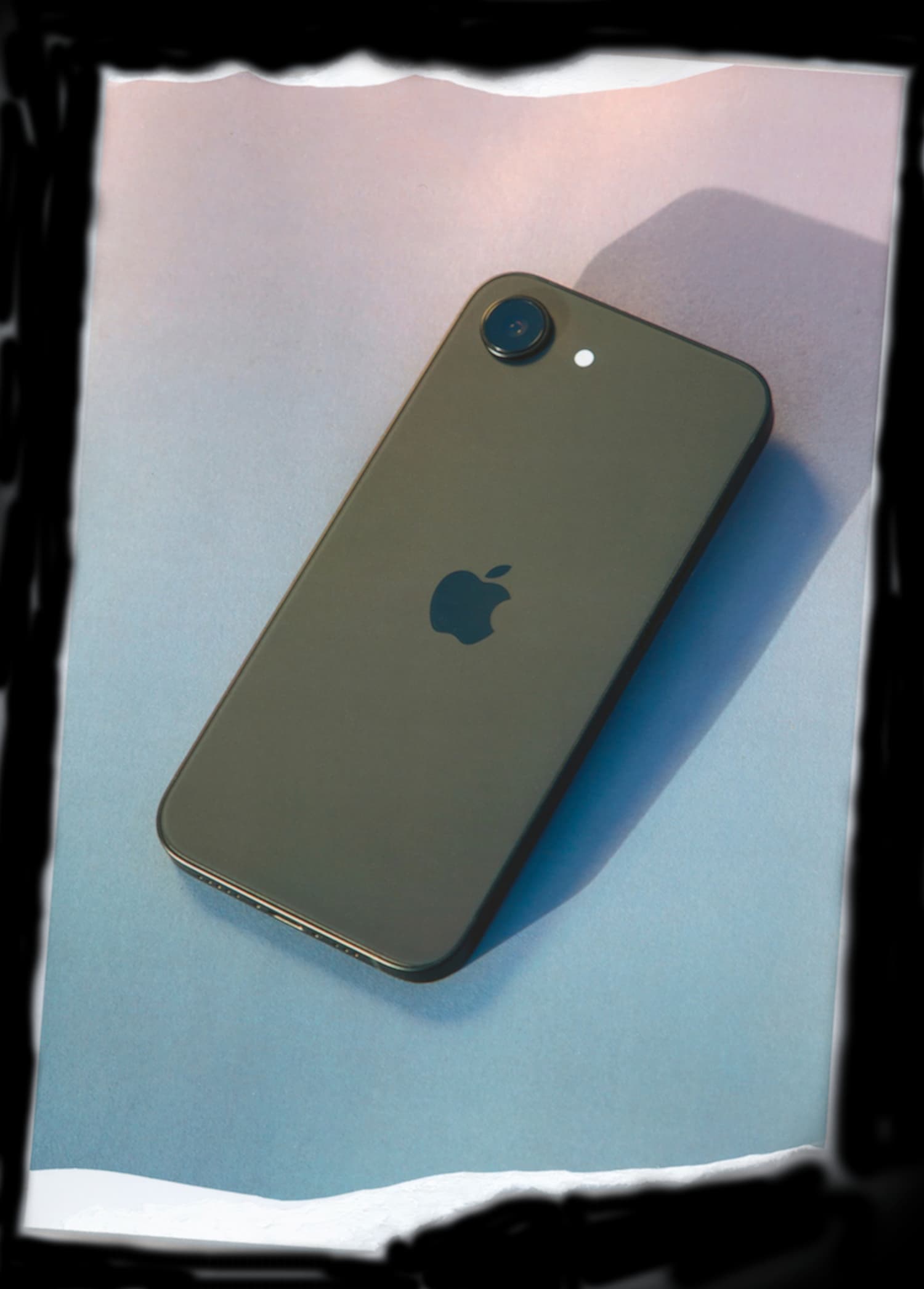
TobiPhone is built for families who want a real iPhone but do not want an open smartphone as the first step. It is not a content-monitoring product and it is not a substitute for parenting, therapy, school policy, or emergency mental-health support.
- A real iPhone, unlocked and configured before it reaches your family.
- No open App Store, social-media apps, or web browser by default.
- Calls, texts, FaceTime, camera, maps, calendar, notes, weather, Find My, and parent-approved tools can fit the plan.
- Additional apps can be evaluated intentionally instead of added impulsively.
- Memberships currently start at $18 per month, with setup and activation depending on the phone path shown on the memberships page.
Current membership options focus on TobiPhone-managed iPhone paths. The live memberships page shows the exact setup and activation fee before enrollment.
When a regular smartphone may still be right
A regular smartphone may make sense if your teen needs broad app access, your family is ready to maintain parental controls, and you are comfortable with the tradeoffs of browsers, app stores, social features, and notifications.
Some older teens are ready for that. Some younger teens are not. The point is to avoid handing over more phone than the family can realistically manage.
A simple decision rule
If your teen mostly needs reachability, start as small as possible. If your teen needs a fuller phone for school, transportation, family logistics, or approved apps, choose the version of a smartphone that begins with the fewest unnecessary risk surfaces.
Then make the rules visible: where the phone sleeps, when it is away, which apps are allowed, who approves changes, and when the plan gets reviewed.
Next step
If you are deciding between a basic phone, a regular smartphone, and a managed first phone, start with the TobiPhone quiz. You can also review the App Guide and current membership options before talking with your teen.